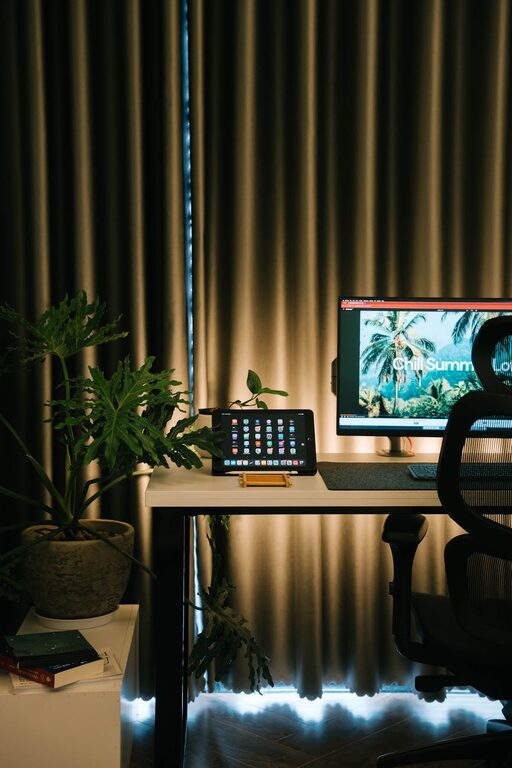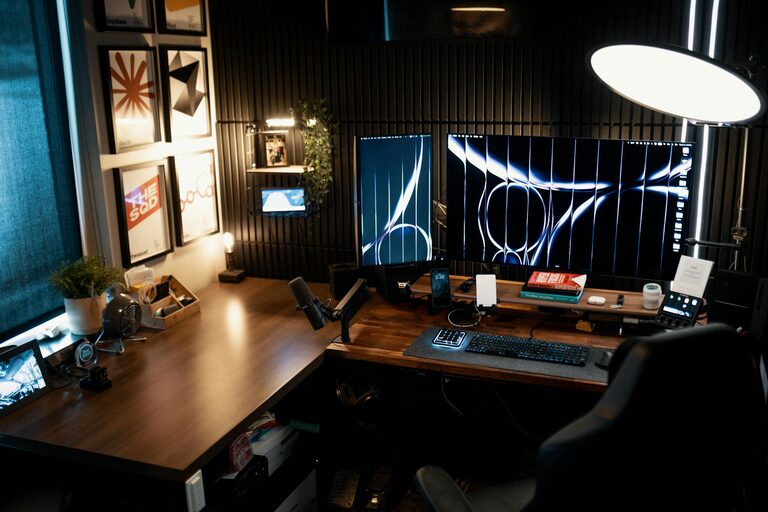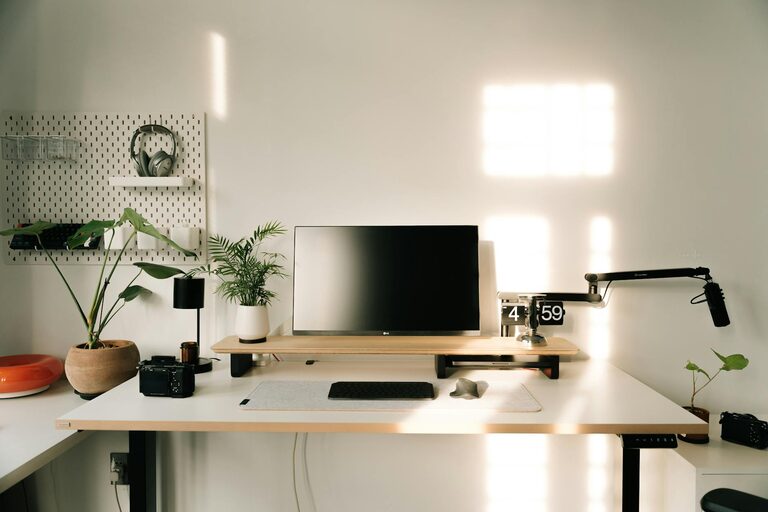
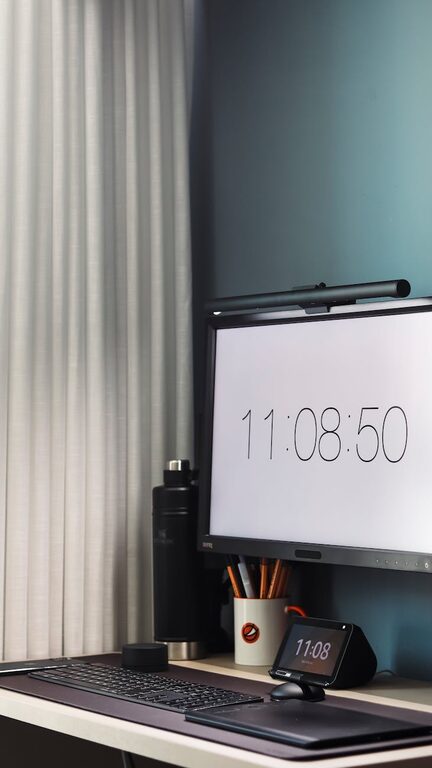
Creating a home workspace that promotes productivity, focus, and comfort is essential for anyone working remotely or pursuing projects from home. A well-designed workspace can make a significant difference in how effectively you work and how comfortable you feel throughout the day. In this post, we’ll explore practical tips to help you set up a home office that supports your best work.
Why a Productive Home Workspace Matters
When working from home, distractions can easily derail your day. Without the right environment, maintaining focus becomes challenging, and physical discomfort can reduce your energy and motivation. By designing a space tailored to your needs, you can improve your concentration, reduce fatigue, and enjoy a better work-life balance.
Choose the Right Location
Pick a Dedicated Space
Select a spot in your home that’s separate from high-traffic or noisy areas. Ideally, your workspace should be used only for work to help your brain associate the area with productivity and minimize distractions.
Consider Natural Light
If possible, place your desk near a window to take advantage of natural light. Sunlight boosts mood and alertness, which can help you stay focused. Just be mindful of glare on screens and adjust with curtains or blinds if needed.
Furniture and Ergonomics
Invest in a Comfortable Chair
A supportive chair is a must for long working hours. Look for one with adjustable height, lumbar support, and comfortable padding. This will help prevent back and neck pain.
Choose the Right Desk
Your desk should fit your workflow and space. Ensure it’s high enough for comfortable typing and sitting posture. Adjustable desks that can switch from sitting to standing positions are a bonus for physical health.
Monitor Placement
Position your monitor at eye level to avoid neck strain. A monitor stand or adjustable arm can help achieve an ideal height. Keep the screen about an arm’s length away for comfortable viewing.
Organize Your Workspace
Declutter Regularly
A tidy desk reduces distractions and helps your mind focus. Use organizers, trays, or drawers to keep supplies and documents in order. Only keep items you use daily on your desk.
Use Cable Management
Keep wires and cables neat with clips, sleeves, or under-desk trays. This not only looks better but also prevents accidental unplugging or tripping.
Personalize Thoughtfully
Add a few personal touches like a plant, artwork, or photos to create an inviting atmosphere without overcrowding the space.
Optimize Lighting
Good lighting reduces eye strain and fatigue. In addition to natural light, use a desk lamp with adjustable brightness. Warm or neutral white light is recommended for work settings to keep you alert but relaxed.
Minimize Distractions
Noise Control
Use noise-cancelling headphones or white noise machines if your home environment is noisy. Earplugs and soft background music can also help maintain focus.
Set Boundaries
Communicate your work hours to family or housemates to minimize interruptions. Consider a “do not disturb” sign if you share your living space.
Maintain Comfort and Health
Take Breaks
Schedule short breaks to stretch, hydrate, and rest your eyes. The Pomodoro Technique—working for 25 minutes then taking a 5-minute break—can improve concentration and prevent burnout.
Keep Hydrated and Snack Smart
Keep a water bottle and healthy snacks nearby to maintain energy levels without frequent trips away from your desk.
Control Temperature and Air Quality
Make sure your workspace is well-ventilated and at a comfortable temperature. A small fan, heater, or air purifier can improve comfort.
Use Technology to Stay Organized and Focused
Productivity Tools
Use apps and timers to manage tasks and deadlines. Tools like calendars, to-do lists, and focus apps can keep you on track.
Backup Your Work
Regularly save and back up your work to avoid stress and lost progress from technical issues.
Final Thoughts
Setting up a home workspace that supports focus and comfort doesn’t have to be complicated. By paying attention to location, furniture, lighting, and organization, you create an environment that helps you stay productive and enjoy your workday. Remember, your workspace should serve you—feel free to adjust as needed to find the perfect balance for your home office.
With these tips in mind, you’re ready to build a workspace that keeps your focus sharp and your comfort high. Happy working!